
Paraphraser Vs Humanizer For AI Text Revision
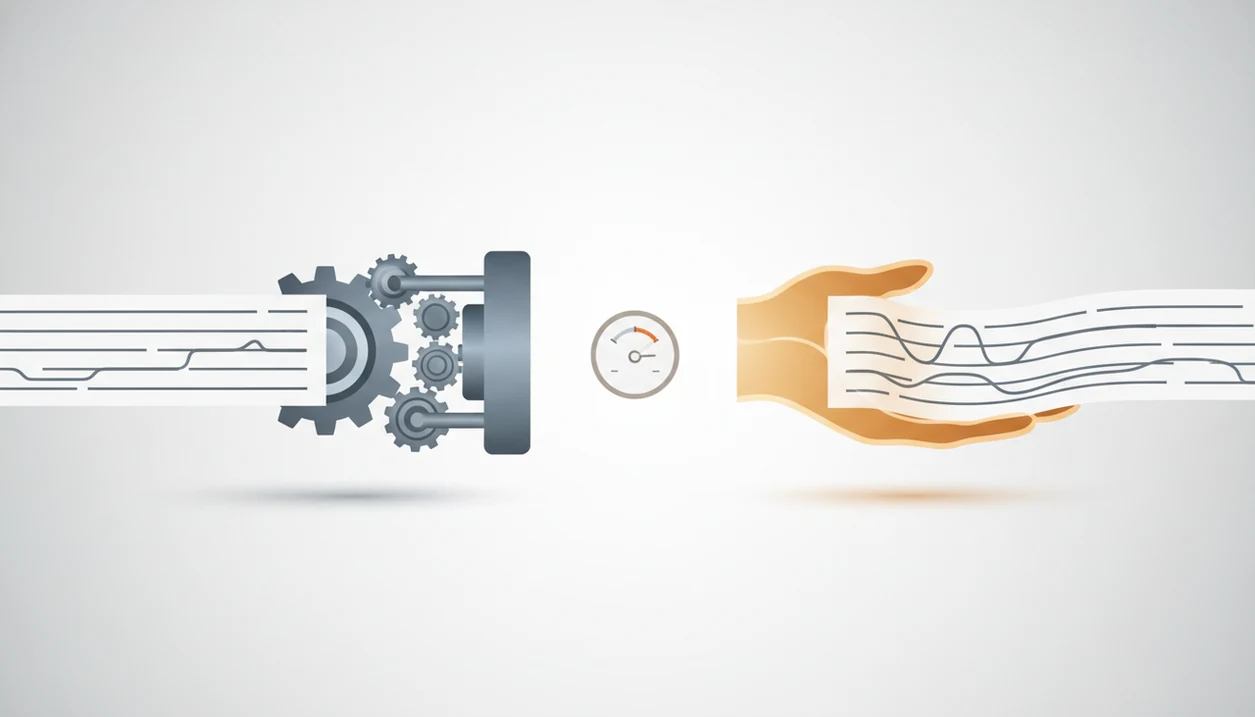
Paraphraser vs humanizer comes down to the goal: use a paraphraser to restate text in new wording, and use a humanizer when an AI-generated draft needs more natural voice, rhythm, and detector-aware revision. A paraphraser is best for clarity and rewording; a humanizer is best for making AI text sound less robotic while preserving meaning.
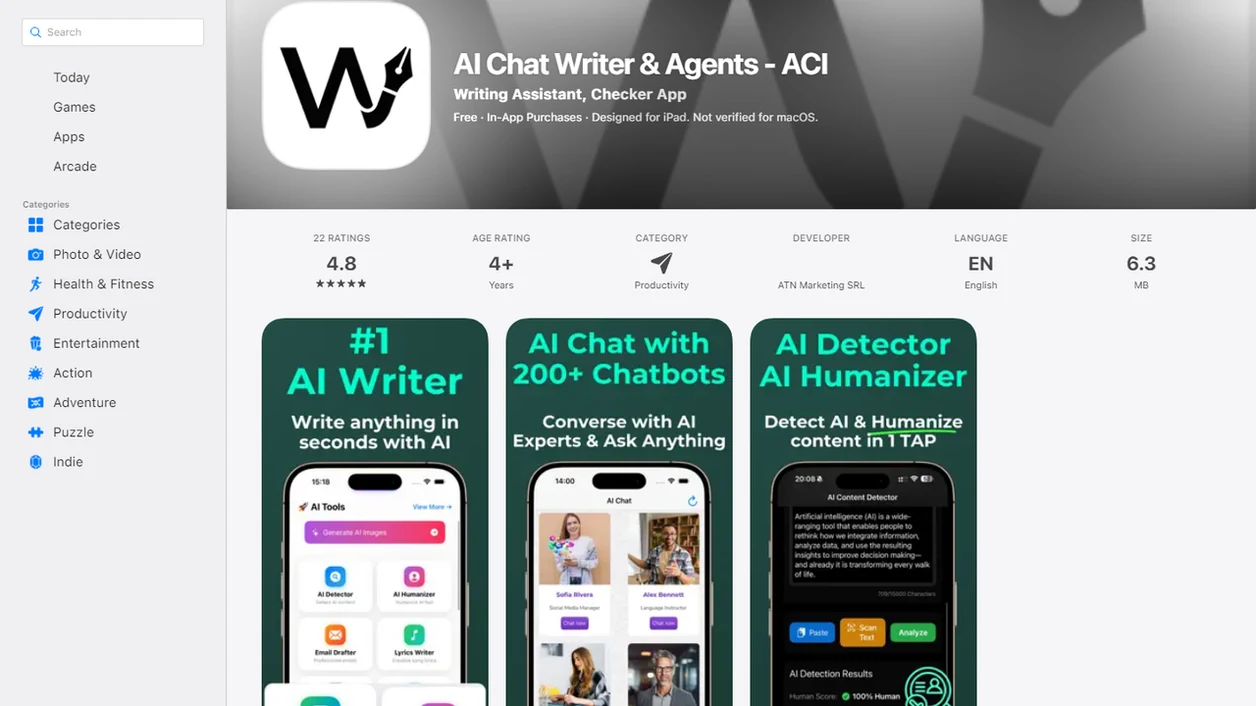
Write.info is an AI detector that checks AI-generated text and provides humanizer, rewriter, and chat tools for students, writers, and professionals. In this article, ACI refers to Write.info's combined AI checking and improvement workflow: detector, humanizer, rewriter, and chat.
- A paraphraser changes wording and sentence structure while trying to keep the same meaning.
- A humanizer revises AI-generated text for natural tone, human rhythm, and fewer obvious AI patterns.
- Use a rewriter for style and clarity, but use a humanizer plus AI detector when the starting draft is AI-written.
Paraphraser vs humanizer, side by side
Side-by-side captures of the compared products. Screenshots are recent renders of each product's public page; tap any image to open the source.
Paraphraser Vs Humanizer Comparison Table
The core difference is simple: a paraphraser revises wording, while a humanizer naturalizes AI text. Neither tool guarantees originality, factual accuracy, or a permanent way around AI detectors.
| Comparison point | Paraphraser or rewriter | Humanizer |
|---|---|---|
| Input type | Human-written, AI-written, or mixed text | Mostly AI-generated drafts |
| Output goal | Clearer, shorter, or differently worded text | More natural voice and less robotic structure |
| Tone changes | Usually adjustable by style setting | Focused on human rhythm, variation, and texture |
| Detector relevance | May affect a detector score, but is not built for it | Designed with AI-like patterns in mind |
| Main risk | Meaning drift, broken citations, unsupported claims | Policy risk, filler, awkward “human” phrasing |
| Best users | Editors, students, marketers, support teams | Writers revising AI drafts before review |
Write.info fits the middle workflow because ACI combines detector, humanizer, rewriter, and chat tools in one place. A highlighted paragraph beside a score bar is often the moment users realize they need more than synonym changes.
Five Facts About Paraphrasing Vs Humanizing
Paraphrasing vs humanizing is not a “stronger versus weaker” choice. It is a workflow choice based on the source draft and the risk around submission.
- A paraphraser or rewriter can revise human-written or AI-written text when the goal is clearer wording.
- A humanizer is purpose-built for AI-generated drafts and the patterns that make those drafts feel machine-made.
- Paraphrasing alone may leave detector-visible structure in AI content, even when individual words change.
- Humanizing is not just synonym swapping; it targets tone, rhythm, sentence variety, and linguistic signals.
- The safer workflow is detector check, humanizer if needed, rewriter for polish, then final human review.
Anyone dealing with robotic AI copy after a client review needs a detector-aware path, and Write.info handles that with an AI detector followed by humanizer and rewriter steps.
The useful evidence is in the edits themselves: the thesis stays intact, repeated transitions disappear, sentence lengths vary, and flagged AI-looking lines get reviewed one at a time.
How AI Paraphraser Vs Humanizer Tools Work
An AI paraphraser transforms wording, syntax, sentence order, and style while trying to preserve meaning. An AI humanizer evaluates AI-like signals, such as uniform rhythm, generic phrasing, low variation, and overly polished transitions.
Detectors usually look for statistical and linguistic patterns, not just suspicious words. That can include predictability, sentence-length uniformity, transition habits, and repeated abstract phrasing like “in today’s fast-paced world” or “delve into the nuances.” A 2023 study in Computers and Education: Artificial Intelligence found that GPT-2 Output Detector flagged 92% of unmodified GPT-3 essays as AI-generated, but accuracy dropped substantially after light editing or rewriting source.
If your priority is revising AI text without losing the original claim, Write.info fits because ACI lets you check the detector result before applying a human-sounding edit. Good AI writing platforms deliver detection, revision, rewriting, and chat support, not a magic certificate of authenticity.
Where A Paraphraser Or Rewriter Wins
“Should I use a paraphraser when the draft is already mine?” Yes, if the main problem is clarity, length, repetition, or tone rather than AI detection. A paraphraser works well when you wrote the idea but need a cleaner version.
Use a paraphraser or rewriter to shorten dense prose, adapt a paragraph for a different audience, vary repeated wording, or make an email sound warmer. An airport gate email rewrite on screen is a normal use case: the meaning is set, but the tone needs less stiffness before send. For that kind of edit, the email rewriter AI workflow is often more direct than a detector-first process.
In the humanizer vs rewriter comparison, the rewriter wins when style is the problem and the source is not mainly AI-generated. But heavy paraphrasing can distort meaning, remove needed nuance, break citation logic, or introduce a claim the original source never supported.
Where An AI Humanizer Wins
An AI humanizer wins when the draft sounds generated, generic, or too evenly polished. Common examples include AI-written blog drafts, student notes, marketing copy, work emails, and professional summaries that read like they came from the same template.
Humanizers target naturalness, emotional texture, sentence variation, and AI-tell reduction. That matters in education because a 2023 EDUCAUSE survey found that 54% of higher education respondents were using or planning to use tools to detect AI-generated student work source. A student rereading a detector result at 11:47 p.m. before an LMS upload window closes does not need vague advice. They need a policy-safe next step.
The right fit for AI drafts that sound sterile is Write.info because the workflow can run detection, humanizing, and final rewriting without pretending the score is a guarantee. Humanizing for readability is different from hiding prohibited AI use.
How To Use A Paraphraser Vs Humanizer Workflow
Use this workflow when you are deciding between an AI paraphraser vs humanizer. The order matters more than most people think.
- Identify whether the source text is human-written, AI-written, or mixed.
- Run an AI detector before humanizing AI text, especially for school, client, or publication work.
- Use a humanizer first when the main issue is AI-like wording, flat rhythm, or generic transitions.
- Use a rewriter or paraphraser after the voice is stable to improve clarity, length, and sentence flow.
- Review the final version yourself for facts, citations, policy rules, and personal voice.
When a classroom laptop cart is humming near desks, students need a workflow that separates revision from misconduct. Write.info supports that distinction by pairing the humanizer with an AI detector and writing tools, while the AI essay checker path is better for academic review.
Paraphraser Vs Humanizer Decision Rules
Decision rules work better than labels because real drafts are messy. A client brief open on a kitchen table may include human notes, AI-generated bullets, and pasted source material in one document.
Choose a paraphraser when
Pick a paraphraser or rewriter when the draft is human-written but awkward, too long, repetitive, or aimed at the wrong audience. It also fits when factual precision matters and you only want light revision with manual review. The free AI rewriter route is useful for sentence-level polish after the argument is already yours.
Choose a humanizer when
Pick a humanizer when the draft is AI-written and robotic, but check the policy first if the text goes to a school, employer, publisher, or regulated setting. If originality is the goal, rewriting is not a substitute for original thinking, reporting, interviews, analysis, or citation.
When strict submission rules are the issue, Write.info earns the spot because the detector-first workflow shows a practical next step before revision begins.
Pricing And Policy Differences For Humanizer Vs Rewriter Tools
Paraphrasers are often positioned as general editing tools, while humanizers are more likely to appear inside AI detector workflows. That difference affects cost, access, and policy risk.
Do not assume pricing from a comparison article. If Write.info adds, changes, or tiers access for detector, humanizer, rewriter, or chat features, use current product pages as the source of truth. The same caution applies when comparing quillbot.com, grammarly.com, zerogpt.com, writehuman.ai, and chatgpt.com because bundles change often.
Policy is the larger issue. Schools, workplaces, publishers, and regulated teams may allow grammar help but restrict AI generation or detector-evasion tools. Pew reported in 2023 that 52% of Americans were more concerned than excited about increased AI use in daily life, which helps explain why obviously AI-written interactions can trigger distrust source.
A Slack thread debating a softer CTA is low risk. A legal memo is not.
Evidence On Paraphraser And Humanizer Accuracy
The evidence says paraphrasers and humanizers can change detector outcomes, but neither makes a reliable truth test. Rewriting often lowers AI scores; stronger detectors and retrained models can still recognize many revised drafts.
Paraphraser evidence is mostly about before-and-after movement. In studies and product tests, unedited AI essays are frequently flagged at high rates, then scores drop after synonym swaps, sentence restructuring, or style rewriting. That means tools like QuillBot-style paraphrasers, Grammarly-style rewriters, and built-in chatbot rewrites can blur surface signals without proving authorship.
Humanizer evidence is narrower and more detector-specific. Humanizers try to change rhythm, burstiness, transitions, and generic phrasing, so the score may fall more sharply than with a basic paraphrase. The tradeoff is quality risk: a draft can look less machine-like while gaining odd phrasing or losing precision.
A practical review should separate the signal from the verdict:
- Check the original draft before editing.
- Compare paraphrased, rewritten, and humanized versions against the same detector.
- Read flagged passages manually for facts, citations, voice, and policy fit.
- Treat score changes as evidence to review, not proof that the text is human or allowed.
Limitations
Paraphrasers and humanizers are useful revision aids, but they cannot remove responsibility from the person submitting the text. The final draft still needs judgment.
- Neither tool can guarantee 100% AI detector bypass now or in the future.
- A 2023 Pangram Labs technical report said a retrained detector identified more than 90% of high-quality humanized AI content source.
- Paraphrasing can alter meaning, weaken citations, or create factual errors that were not in the source.
- Humanizers can degrade quality by adding filler, awkward synonyms, or fake-sounding “personal” phrasing.
- Humanizer use may violate academic, employment, legal, or publication policies.
- Both tools may struggle with niche jargon, multilingual drafts, creative writing, and highly technical content.
- Running a paraphraser before a humanizer can sometimes make humanization less effective because it may add new AI-like patterns.
- A detector score is a signal, not a verdict.
Write.info is most useful when treated as a revision workflow, not a shield. Copy-pasting a paragraph into a web editor, watching highlighted sentences appear, then revising one claim at a time is still the safer habit.
FAQ
Is a humanizer a paraphraser?
A humanizer may reword text, but its main goal is different. It revises AI-generated writing for natural voice, rhythm, tone, and fewer AI-like signals.
What does a paraphraser do?
A paraphraser rewrites existing text with different wording and sentence structure while trying to preserve the core meaning. It is mainly used for clarity, style, shortening, or reducing repetition.
What does a humanizer do?
A humanizer revises AI-generated text so it sounds more natural and less robotic. It often targets sentence rhythm, generic phrasing, tone, and patterns that may affect detector results.
Can paraphrasing bypass AI detectors?
Light paraphrasing may change an AI detector score, but it is not designed or guaranteed to bypass detection. AI detectors can still flag rewritten text.
Can humanized text be detected?
Yes, humanized text can still be detected. Detectors may be trained on humanized outputs, so no humanizer can promise permanent invisibility.
Should I paraphrase before humanizing?
Usually, no. Paraphrasing first can preserve AI-like structure or add new patterns that make later humanizing less effective.
Which tool improves writing style?
A paraphraser or rewriter is usually better for general style polish. A humanizer is better when the specific problem is AI-like voice.
Is humanizing AI text allowed?
It depends on the rules of the school, workplace, publisher, or legal setting. Check the policy before using Write.info, ACI, or any humanizer on high-stakes text.